Featured

The Ultimate Guide To Understanding Different Relief Programs You May Know About
Table of Contents
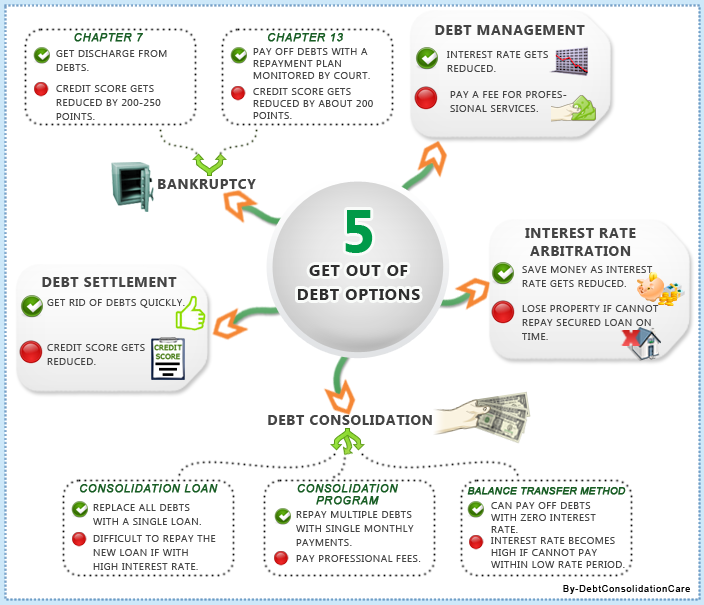
That maximizes cash in the short-term, and you might have three to four years to save toward the settlement amount. Very harmful to credit history, mainly as a result of missed repayments and an unfavorable "cleared up" mark that could remain on your credit history report for up to seven yearsMay be only choice if other choices (financial obligation loan consolidation, equilibrium transfer debt cards, financial debt forgiveness) aren't possibleTypically requires a fee to the third celebration, which can counter some or all of the cost savings from financial obligation settlementMay help you stay clear of insolvency if you've missed a number of paymentsNot all lenders deal with financial obligation negotiation companies Financial obligation forgiveness may be appropriate for you if you are experiencing an economic hardship that makes it virtually difficult to pay for your financial debt balances.
![Freedom Debt Relief vs. National Debt Relief [2026] FinanceBuzz](https://cdn.ramseysolutions.net/media/blog/debt/managing-debt/what-is-debt-relief.png)
With a DMP, you make one month-to-month settlement to the credit history counseling firm. Those funds are then distributed to financial institutions of your unsafe financial debts, such as charge card and installment loans. The agency collaborates with your financial institutions to reduce rates of interest or waive fees, but some financial institutions may refuse such concessions.
A financial debt loan consolidation car loan combines your qualified financial debts right into one new car loan. It can help you pay for financial debt if you have the ability to protect a lending price that's less than the ordinary rate of the accounts you're combining. However, you need to avoid racking up financial obligation on those newly cleared accounts or your debt can expand also higher.
These cards frequently supply a 0% passion introductory duration of as much as 21 months. That provides you lots of time to eliminate or significantly decrease your equilibrium while making interest-free settlements. For some people dealing with insurmountable financial obligation, personal bankruptcy may be the only method to stop collection process and legally fix their financial obligations.
The Greatest Guide To How to Take Action with the Financial Recovery Journey
You might need it if your creditor or a collection agency ever before tries to collect on the financial debt in the future. When a loan provider forgives $600 or more, they are called for to send you Type 1099-C.
Financial debt mercy or negotiation generally hurts your credit report. Anytime you clear up a financial obligation for much less than you owe, it might appear as "cleared up" on your credit rating report and impact your credit history score for 7 years from the date of settlement. Your credit report can also go down significantly in the months bring about the mercy if you fall behind on settlements.
Facts About Consumer Rights Under Bankruptcy Law Revealed
Tax financial obligation concession programs Tax financial debt occurs when the quantity of tax obligations you owe surpasses what you have actually paid. This circumstance often arises from underreporting earnings, not filing returns on time, or discrepancies found throughout an IRS audit. The consequences of building up tax obligation financial obligation are significant and can consist of tax obligation liens, which give the internal revenue service a legal case to your home as protection for the financial obligation.
Earnings and Financial institution Accounts Internal revenue service can levy (take) wages and bank accounts to satisfy the financial debt. Residential property Seizure In extreme situations, the IRS can take and offer residential or commercial property to cover the debt.
Clinical depression, stress and anxiety, and various other psychological health concerns. Social Stigma Dealing with lawsuit from the IRS can bring social preconception. Damages to online reputation and relationships. Work Opportunities A poor credit rating as a result of exhaust financial obligation can limit work possibilities. Difficulty finding or keeping a task. Federal government Benefits Tax obligation financial debt may impact eligibility for federal government advantages, such as Social Safety And Security and Medicaid.
Market Changes for Bankruptcy Counseling Services - An Overview
The OIC takes into consideration a number of aspects, including the taxpayer's earnings, costs, property equity, and ability to pay. Successfully discussing an OIC can be intricate, needing a detailed understanding of the IRS's guidelines and a strong debate for why your deal lines up with your ability to pay. It's crucial to note that not all applications are approved, and the procedure calls for in-depth economic disclosure.
The internal revenue service evaluates your general monetary situation, including your earnings, expenses, asset equity, and capability to pay. You have to also be present with all filing and payment demands and not remain in an open bankruptcy proceeding. The internal revenue service also considers your conformity background, reviewing whether you have a document of timely declaring and paying tax obligations in previous years.
Some Ideas on Community-Based How Young Professionals Can Avoid Debt Traps Early in Their Careers Organizations Compared You Should Know
The application process for an Offer in Compromise entails several detailed steps. Initially, you should finish and send IRS Type 656, the Deal in Compromise application, and Type 433-A (OIC), a collection details statement for individuals. These forms need comprehensive financial information, consisting of information concerning your revenue, financial debts, expenditures, and possessions.
Back taxes, which are overdue tax obligations from previous years, can significantly increase your complete internal revenue service debt if not dealt with without delay. This debt can build up rate of interest and late payment charges, making the initial amount owed much bigger gradually. Failure to pay back taxes can result in the IRS taking enforcement actions, such as releasing a tax lien or levy versus your residential or commercial property.
It is important to deal with back tax obligations immediately, either by paying the full quantity owed or by setting up a layaway plan with the internal revenue service. By taking aggressive steps, you can avoid the build-up of additional passion and fines, and prevent much more hostile collection activities by the IRS.
One typical factor is the belief that the taxpayer can pay the total either as a swelling sum or with a repayment plan. The internal revenue service additionally thinks about the taxpayer's earnings, costs, possession equity, and future earning capacity. If these elements indicate that the taxpayer can pay for to pay greater than the used amount, the internal revenue service is most likely to reject the deal.
6 Easy Facts About Certified Guidance Safeguards Your Home Shown
It is crucial to provide precise and total information in your application and to consult with a tax specialist to enhance the possibilities of acceptance. Managing IRS financial obligation can be complex and difficult. Tax obligation specialists, such as Certified public accountants, tax attorneys, or signed up agents, can give very useful aid. They have the knowledge to browse the ins and outs of tax obligation legislation and IRS treatments.

Table of Contents
Latest Posts

Some Ideas on Economic Consequences What You'll Pay for Debt Forgiveness Programs You Should Know
How How Debt Counselors Work to Reach 10 Ways APFSC Supports Our Military Veterans With Credible can Save You Time, Stress, and Money.

6 Simple Techniques For How to Contact APFSC Today
More
Latest Posts
Some Ideas on Economic Consequences What You'll Pay for Debt Forgiveness Programs You Should Know
6 Simple Techniques For How to Contact APFSC Today